Beverage brands compete for the eye of consumers before they can even get to taste. In bars, supermarkets, and increasingly online, these types of brands are discovering that unique branding can help them build a fan base that can make them the drink of choice for their target audience.
But there’s more to it than a logo or cute bottle. Nowadays, beverage brands are able to build communities that revolve around social events, self-improvement, health, and wellness—and their branding decisions directly reflect those community-building efforts.
Grab your favorite drink and let’s dive into some tasty beverage branding ideas, and why they work.
TL;DR
- Learn what a good beverage design looks like and what makes beverage brand packaging unique.
- Discover 5 beverage branding ideas, plus examples that will inspire you.
- Unlock beverage branding tips to create a memorable brand.
- Find out why brands use data to make drink branding decisions and how to build a brand that stands out in the crowded market.
What is a good beverage brand design?
Back in the day, a good brand design for a beverage would be visually appealing, memorable, and easily recognizable. Now, you can add ‘Instagrammable’ to the list—an effective beverage brand design means people want to share it.
Another shift that has been made is in the information on the label. People are looking more at the ingredient list, and they appreciate brands that make it easy to understand what’s in there—which is all part of branding and brand tracking.
Last but not least, a beverage brand should not just have pretty bottles, it should have a strong online presence and clear brand messaging, as well. And the ones that are really thriving are those who started to build communities.
What makes beverage brand packaging unique?
Creating a brand is never an easy task, but in a crowded market like the food and beverage industry, it’s even more of a challenge. Here are some factors that are at play.
Conscious consumers
We want to know what we’re really drinking, more than ever before. Brands need to find ways to make ingredient lists easy to read, but also match the brand.
Sustainable packaging, but make it pretty
Consumers don’t want to bring home an excess of plastic just to enjoy their favorite drinks. Brands need to find ways to make their packaging sustainable, but keep it practical. And within budget.
Standing out in a crowded market
If you’re sensitive to screaming colors, don’t stand in front of the drink aisle in the supermarket. There are countless brands out there and new ones easily drown in a sea of color. That makes it harder to build brand recognition.
Food and beverage product testing can also help brands understand whether their packaging, claims and product experience are strong enough to stand out in a crowded category.
Meeting regulatory requirements
Beverage packaging and labeling simply have to comply with various regulations, like nutrition information and allergen warnings. That can be a real challenge for creatives.
Creating a consistent image
What looks good on the label doesn’t always translate to online content, but it’s crucial to be recognizable.
5 beverage branding ideas and examples to inspire you
It’s time to crack open some inspiration—with a strong taste of brand awareness ROI. Get a taste of how these beverage brands have created strong identities, and how that paid off.
1. Torani: a bold beverage that is anything but average
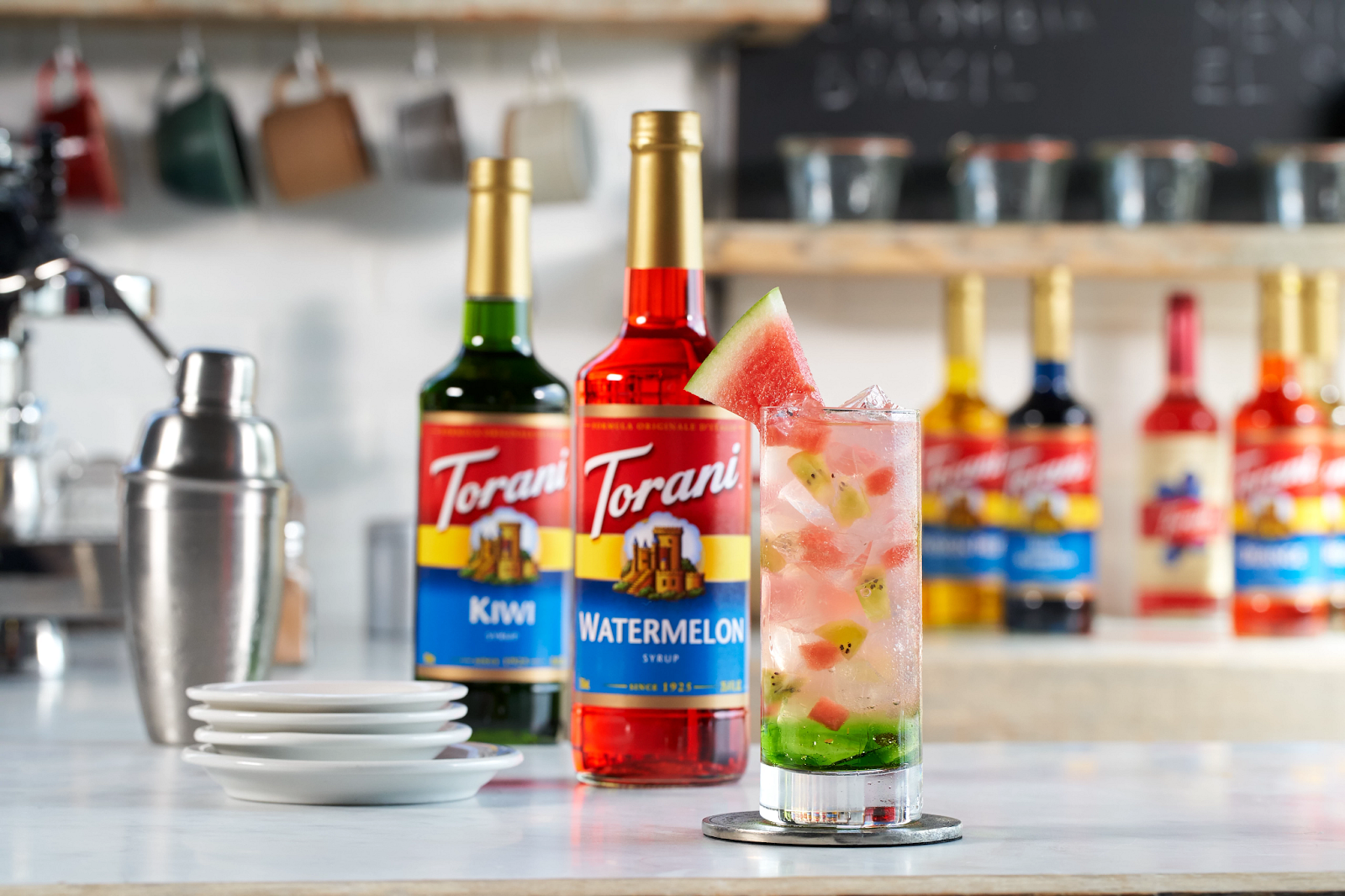
Torani used Attest consumer research tools for a new product development project—infused energy drinks—and we fell for their brand identity.
Torani produces flavored syrups for the food service industry across the United States and globally. They have created branding and bottles that look good next to your drink—so you’re in no rush to clear the table.
They’ve used a vintage look and bright colors that perfectly match the colorful flavors. The bottles are very Instagrammable, which is a smart marketing tactic in itself.
If you’re thinking of launching a brand with a classic, old-school look, check out our concept testing tools to see if it resonates with your audience.
2. MOMA: humble branding with a focus on ingredients
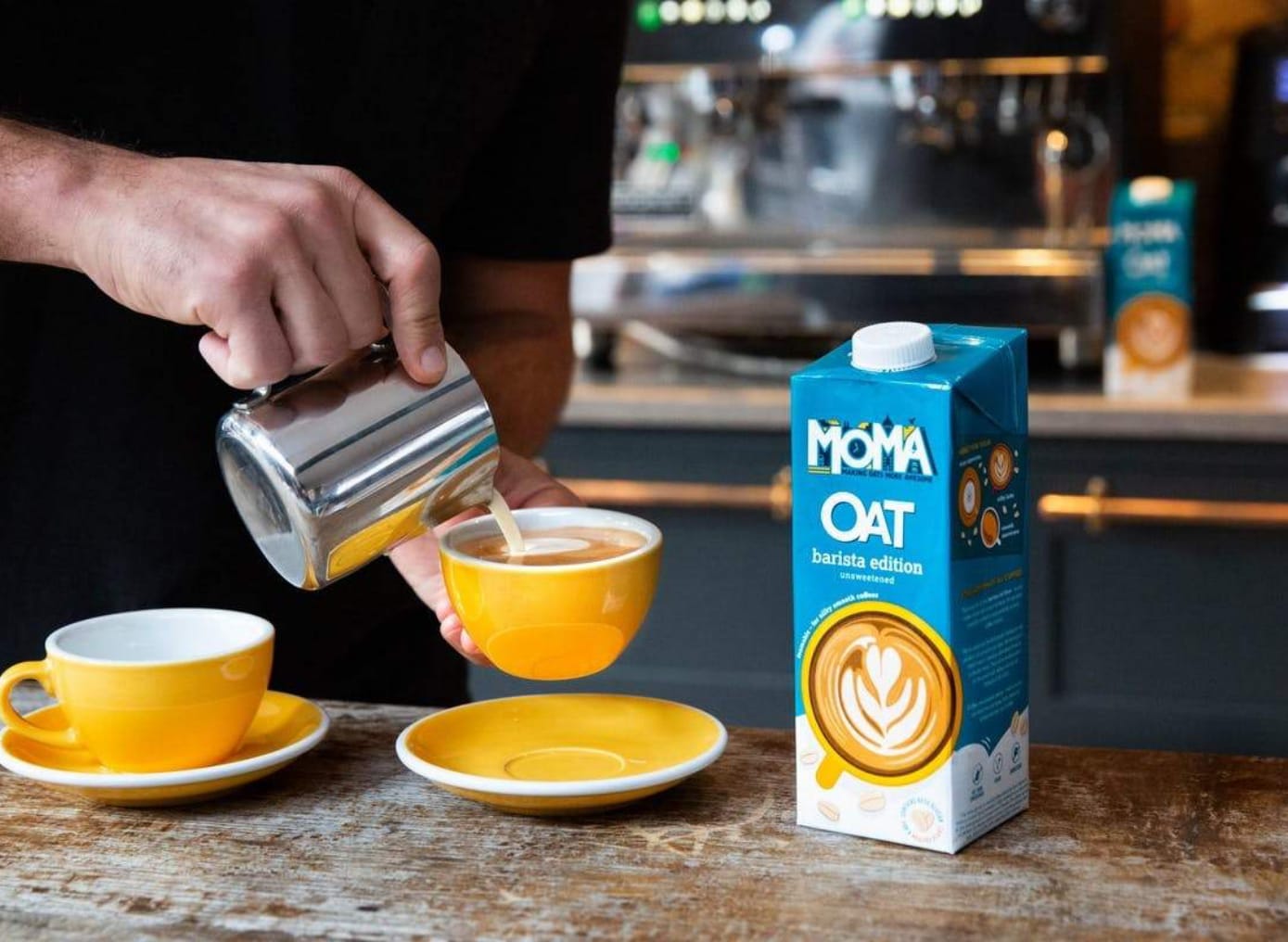
If you think of oat milk, you probably don’t get all hyped up. It’s a humble ingredient, and MOMA is honest about that—and uses it in its branding in this example.
It prides itself in being the craft choice for great baristas, and communicates this with latte art on its packaging. Simple, but smart. You’ll easily recognize that MOMA is a great choice for your matcha, cappuccino or whatever the heck the cool kids are drinking these days.
Working with Attest, MOMA gathered metrics around brand awareness, brand sentiment, and purchase intent for the oat milk category. Once the campaign had concluded, MOMA ran the survey again, this time showing the advert creative.
If you’re also looking to measure the effect of individual campaigns (because yes, you can!), check out our brand perception survey and other templates.
Top tip: You can also run creative testing based on competitors’ creatives. If you ask consumers what they like or dislike about successful (or unsuccessful!) products, you can use that brand insight to guide your own strategies.
3. innocent: not-so-innocent copywriting

Smoothie brand innocent is an icon in the world of branding, and they’ve got a great copywriter to thank for that. While the cute and happy-looking bottles are easy to recognize too, the real brand identity of innocent is found when you zoom in: it’s all in the copy.
Want to have some fun? Pick up a bottle and read the fine print. You’ll find puns, sassy commentary on the drinks industry, fun ways the ingredients are explained, and even honest yet funny disclaimers on sustainability.
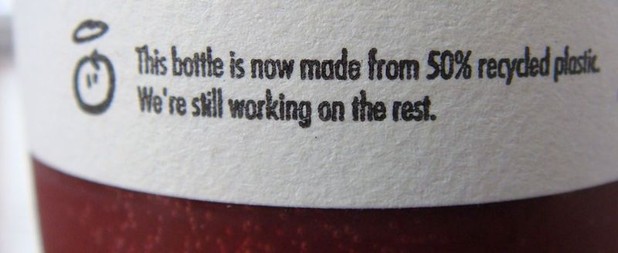
This approach to brand identity seems silly, but it’s super smart. It opens up a world of possibilities for campaigns and other creative ideas for innocent, because it all fits their tone of voice.
4. DRY Soda. Co: a focus on flavor

DRY doesn’t leave you guessing about what’s in its drinks, or what isn’t in there. They worked with Attest for a new product development project, and some tasty flavors rolled out.
DRY Soda Co. offers alcohol-free drinks that are bursting with flavor. They are keeping their brand identity clean and clear, just like their drinks. You can instantly see what flavor you’re dealing with and that it’s a headache-free drink.
5. Usual: unusual wine bottles for one
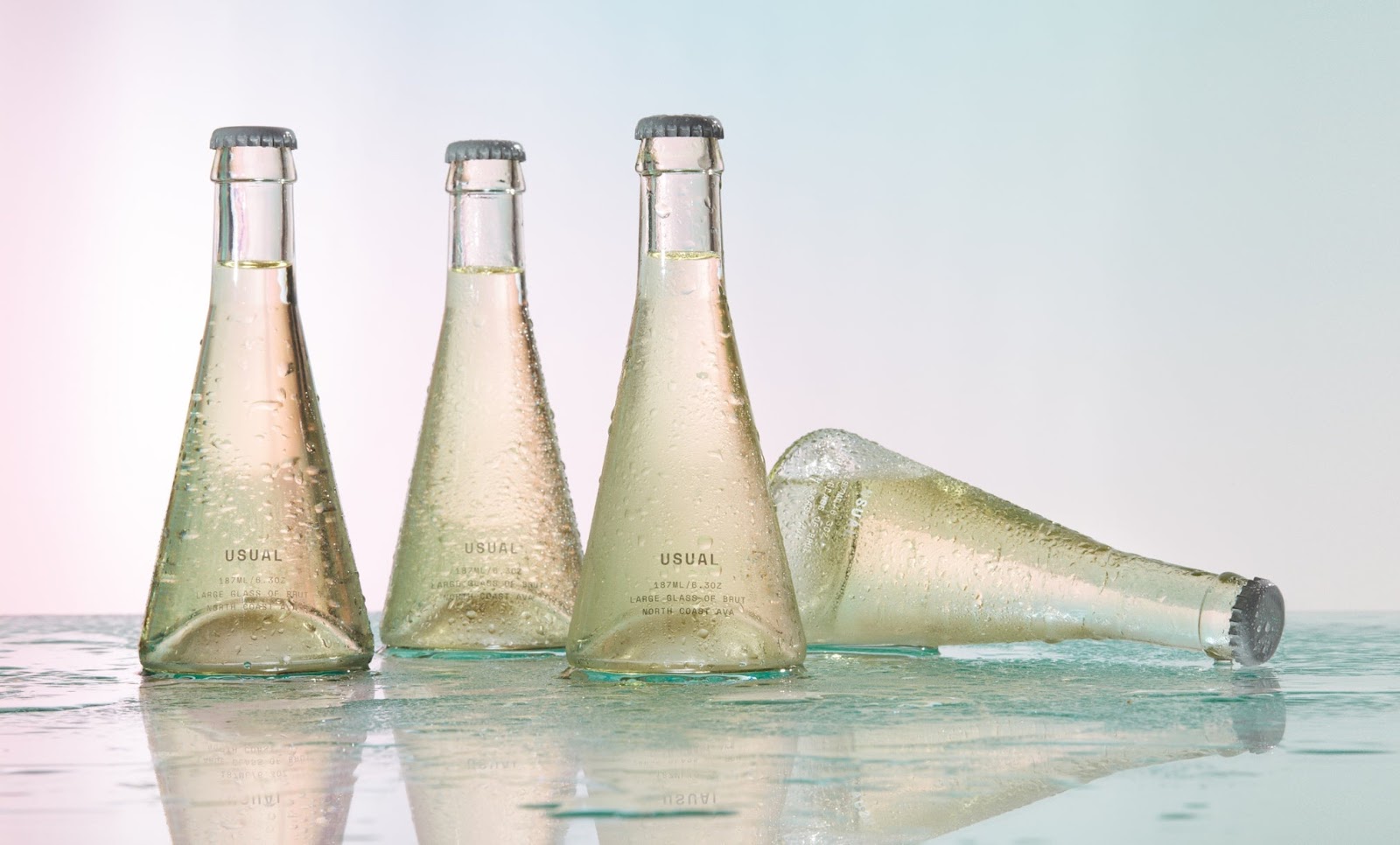
Are you one of those people that picks a bottle of wine based on how fun the label looks? No judgment here. But there’s a new option in town, and this bottle catches your eye (and heart!) instantly.
Their wines are ‘clean’, with no sugar and minimal intervention—and the bottles reflect that perfectly.
It’s not just the shape, it’s the size that is unusual too. Every bottle holds one large glass of wine, for a reason. Sparkling wines shouldn’t be kept open in the fridge for long—no wine should, really. This packaging design approach therefore also helps consumers to taste Usual wine at its best and keeps it fresh.
Beverage branding tips to create a memorable brand
Got an idea bubbling up for a beverage (re)brand? Here are some pointers to keep in mind:
- Be consistent: Your bottles should match your social media posts. Your website is an extension of your brand. From your logo to your tone of voice, make sure people can recognize it even after they’ve had a few drinks.
- Tell a story: Your beverage is only part of the deal. Include a memorable story in your product strategy to really connect consumers to your brand and weave it into all elements of your branding.
- Double down on a value to build community: Red Bull is for daredevils, Clipper is for those who like to relax. Do your consumer research and find out what matters to people.
- Test your branding regularly: New brands enter the food and beverage industry almost daily. Consumers change their minds all the time. Make sure you run creative tests when launching something new to see whether you’re still on the right track or if you could tweak some graphic elements.
Make drink branding decisions based on data
In the crowded beverage market, good packaging design helps build a brand that stands out on the shelf or on the menu. But the best brands don’t rely on instincts alone, they use data-backed insights to meet their audience wherever they are.
Consumer testing for food and beverage brands can help you validate whether your packaging, messaging and positioning actually resonate with your target audience before you commit to a launch.
Tracking the right food and beverage KPIs can help teams measure whether brand changes are improving awareness, purchase intent, trial and repeat demand over time.
Attest helps you connect with a large enough consumer base to make decisions with confidence. Check out which brand metrics we can help you measure and reach out to our research experts for tailored guidance on your journey to becoming the next cool company in the beverages aisle.