The beauty industry is no stranger to transformation. From the rise of clean beauty to the explosion of TikTok-fueled trends, this space thrives on evolution.
But staying relevant in such a dynamic market means more than just keeping up — you need to anticipate what’s next and prepare to meet consumers where they’re headed.
The 2026 trends shaping the beauty world aren’t just fleeting moments — these shifts are rooted in changing consumer values, emerging technologies, and innovative approaches to self-expression.
Businesses that embrace these changes and adapt their strategies will position themselves to compete and lead.
TL;DR: Beauty industry trends in 2026
The beauty industry in 2026 is being reshaped by AI technology, sustainability, and inclusivity — as Gen Z consumers demand cleaner, more ethical, and personalized beauty experiences.
- AI beauty tools: Virtual try-ons and data-driven skincare personalization
- Sustainable beauty: Refillable, carbon-neutral, and eco-friendly packaging becomes standard
- Clean ingredients: Transparency and non-toxic formulations build trust
- Inclusive marketing: Representation across gender, age, and skin tone drives loyalty
- Smart products: Multipurpose, affordable “dupes” and hybrid cosmetics gain traction
Key takeaway: Beauty is personal, ethical, and tech-powered. To win in 2026, brands must combine innovation with authenticity.
How changing consumer values are redefining beauty trends in 2026
Shoppers today want brands to reflect their values, celebrate their individuality, and embrace authenticity.
Consumers aren’t just buying personal care products — they’re investing in brands that prioritize the planet.
- 67% of Gen Z prioritize sustainability.
- 56% would pay more for eco-conscious products.
- 63% seek natural ingredients.
They expect personalization.
- Beauty isn’t one-size-fits-all, and consumers reject generic solutions in favor of beauty products tailored to their unique needs.
- Custom formulations and AI-driven skincare analyzes are thriving because they empower shoppers to build routines that feel genuinely theirs.
31% avoid brands lacking diversity.
- Inclusivity is about representation and seeing beauty in every form.
- Consumers expect beauty brands to mirror diversity and inclusion with expanded shades.
These shifts are here to stay; they’re powerful, consumer-driven movements reshaping the beauty industry.
The brands embracing them? They’re the ones earning hearts (and carts). Those that don’t? Let’s just say the mirror isn’t looking so pretty.
The top beauty industry trends defining 2026 (and what they mean for brands)
The top trends in the beauty industry for 2026 include AI-driven beauty technology, sustainability, clean ingredients, inclusive marketing, personalized recommendations, and smarter use of skincare products.
These trends reflect consumers’ evolving priorities and are transforming the industry in exciting ways.
Along with these wider industry trends, we’ve also drilled down into what Gen Z thinks about the beauty market and how it impacts their buying choices.
1. How AI is transforming beauty — from virtual try-ons to emotional intelligence
There’s seemingly no industry left untouched by the growing integration of artificial intelligence (AI), and the beauty world is no exception. Already transforming the way beauty brands operate, AI’s influence is only set to grow.
According to Perfect Corp.’s report:
- 77% of beauty professionals believe conversational AI agents, such as chatbots and virtual assistants, offer unmatched potential for creating tailored interactions.
- These tools provide instant, 24/7 customer assistance, offering personalized product recommendations and precisely answered inquiries.
- Generative AI is also gaining traction. As much as 46.1% of industry leaders note its ability to transform customer service by providing unique, bespoke experiences that were unimaginable just a few years ago.
- For example, AI-powered emotion detection allows brands to tailor responses based on customer sentiment.
Key players are already using these innovations. Nykaa’s integration of L’Oréal’s ModiFace AR technology enables shoppers to virtually try on products with photo-realistic accuracy and is revolutionizing online beauty experiences.
Similarly, Coty’s partnership with Perfect Corp. enhances skin diagnostics and data-driven personalization, ensuring seamless, customized shopping for brands like CoverGirl and Sally Hansen.
Key takeaway: AI is rapidly reshaping how beauty brands engage consumers, using tools like virtual try-ons and emotion detection to deliver precise, data-driven personalization.
2. Sustainability is now standard: how eco-friendly beauty became non-negotiable
Sustainability is no longer a bonus in beauty — it’s a baseline expectation, especially for young consumers.
With the sustainable beauty market projected to reach $326.8 billion by 2031, brands are under pressure to prioritize environmental impact.
- Practices like using recyclable or biodegradable packaging, conserving water, and offering refillable containers are setting the standard.
- Carbon-neutral production and cruelty-free testing are also gaining traction, reflecting consumers’ demand for ethical practices.
- Many consumers will continue scrutinizing ingredients like soybean and palm oil, urging brands to adopt sustainable alternatives.
Generation Z is leading the charge, with 67.7% prioritizing sustainability and 56.2% willing to pay more for eco-friendly beauty products.
Key takeaway: Sustainability has become the beauty industry’s new baseline, with Gen Z driving demand for refillable packaging, ethical sourcing, and carbon-neutral production as standard practice.
For more insights on how Gen Z views beauty trends, read our analysis: Gen Z beauty trends 2025: What’s driving the next generation of US beauty consumers.
3. Clean beauty is has become a trust signal consumers look for
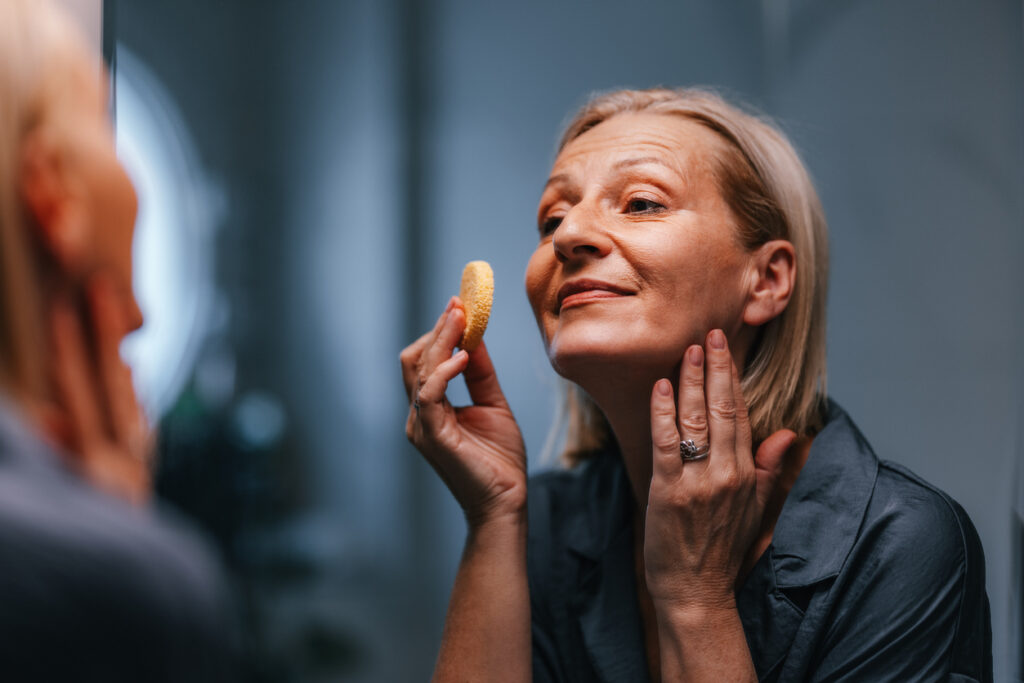
Beauty consumers are increasingly more mindful about what they’re putting on their skin — and how it might affect their health.
The clean beauty movement emphasizes safety, transparency, and non-toxic formulations, with beauty products free from irritants like parabens and sulfates.
Social media emphasizes this shift, with #CleanBeauty racking up over 1.9 billion views on TikTok and 6.1 billion tags on Instagram.
This digital buzz highlights a growing consumer focus on safe skincare. In fact:
- 63% of consumers in the US now seek products with natural ingredients, and
- 65% of women aged 35–54 actively scrutinize ingredient lists before making a purchase
For brands, clean beauty is a trust signal.
By prioritizing transparency and offering non-toxic, skin-friendly products, you can connect with health-conscious consumers looking to feel as good about their choices as they do about their skin.
Key takeaway: Clean beauty has become a marker of trust, as consumers increasingly seek transparent, non-toxic formulations and natural ingredients backed by visible safety and health credentials.
4. Inclusivity isn’t optional — it’s shaping the future of beauty marketing
With 50% of consumers prioritizing inclusivity and 31% actively avoiding brands that fail to represent them, authenticity is not optional.
Consumers expect more than token gestures; they want brands to reflect their diverse realities and values.
- One powerful way to incorporate inclusivity is through user-generated content (UGC) on social media.
- Real beauty consumers showcasing products in their daily lives provide authentic, relatable representations that resonate deeply with audiences.
- Technology also plays a role, with AI-powered tools enabling precise shade matching and virtual try-ons tailored to diverse skin tones and needs.
Inclusivity goes beyond race and gender — it’s about pro-aging narratives, gender-neutral products, and accessibility for the 1.3 billion people living with disabilities.
By embracing these shifts, brands can create genuine connections and build enduring loyalty in a market that values representation.
Key takeaway: Inclusive marketing builds trust by authentically reflecting diverse ages, genders, skin tones, and abilities.
5. AI-powered personalization is redefining skincare routines
Skincare is becoming deeply personal. Consumers are moving beyond generic solutions, looking for products tailored to their unique needs, from specific skin concerns to genetic dispositions.
Hyper-personalization, fueled by AI-driven tools, is transforming how individuals approach skincare.
- These technologies analyze skin conditions, environmental factors, and lifestyle habits to recommend customized routines in real-time.
- The appeal? Precision. Instead of guessing, consumers can rely on data-backed recommendations for their skincare routine, leading to more effective results.
- The trend is gaining traction, with the customized skincare market valued at $29.3 billion in 2024 and projected to hit $62.4 billion by 2034.
As these tools become more sophisticated, expect hyper-personalized regimens to redefine beauty, making skincare as unique as the individuals using it.
Kay takeaway: AI-driven personalization is redefining skincare expectations.
6. Smarter beauty: Consumers are doing more with less
As the cost of living rises, consumers are embracing smarter, more resourceful beauty routines.
Many are saying goodbye to excess beauty products; why buy multiple products when one can do the job of many?
Trends like using self-tanners as bronzers or indulging in skin “slugging” with Vaseline highlight a shift toward maximizing product versatility while minimizing effort.
This smarter approach isn’t just about multitasking but also value.
- While 18% of consumers say they’re willing to splurge on premium products, the demand for affordable dupes is skyrocketing.
- According to Barclays research, nearly one-third of consumers (32%) now opt for high-quality but lower-cost alternatives to fragrances, makeup, and skincare.
- These “dupes” allow beauty enthusiasts to enjoy luxury results without breaking the bank.
This resourceful mindset is redefining beauty shopping habits, blending creativity with practicality, and showing that brilliance doesn’t have to come with a premium price tag.
Key takeaway: Consumers are embracing versatile, value-driven beauty routines, favoring multipurpose products and affordable dupes over expensive, single-use items.
How beauty brands can turn 2026’s trends into business growth
TL;DR: What beauty brands should do
- Adopt refillable, low-impact packaging and highlight sustainability credentials
- Use AI for personalization and tailored product recommendations
- Promote real customers in diverse, inclusive campaigns
- Balance premium and affordable lines to stay accessible
- Leverage real-time consumer data to adapt fast
Here’s how your brand can capitalize on these shifts and make waves in 2026.
Go green, and mean it
- Consumers love brands that walk the eco-friendly talk.
- Swap out single-use plastics for recyclable or refillable packaging, and shout about your carbon-neutral practices on social media.
- Don’t just sell products — sell sustainability.
Personalize everything
- Use AI tools to analyze skin concerns and recommend customized skincare routines.
- Consumers want hyper-personalized solutions, so make them feel like your products were created just for them (because they kind of were).
Get virtual with try-ons
- AR technology isn’t just cool — it’s essential.
- Help shoppers to see how your products look on them with virtual try-ons.
- Think lipstick shades or eyeshadow palettes.
Be inclusive by design
- Celebrate diversity by offering a wide range of shades, gender-neutral products, and pro-aging campaigns.
- Representation builds trust and loyalty.
- Bonus points if you use user-generated content to showcase real customers.
Let data lead the way
- Use AI to track consumer behavior, predict trends, and refine your strategy.
- Data-based decisions are the secret to staying ahead in this fast-moving industry.
How Attest helps beauty brands stay ahead of shifting trends
Staying ahead means understanding what your customers want — right now. That’s where Attest comes in.
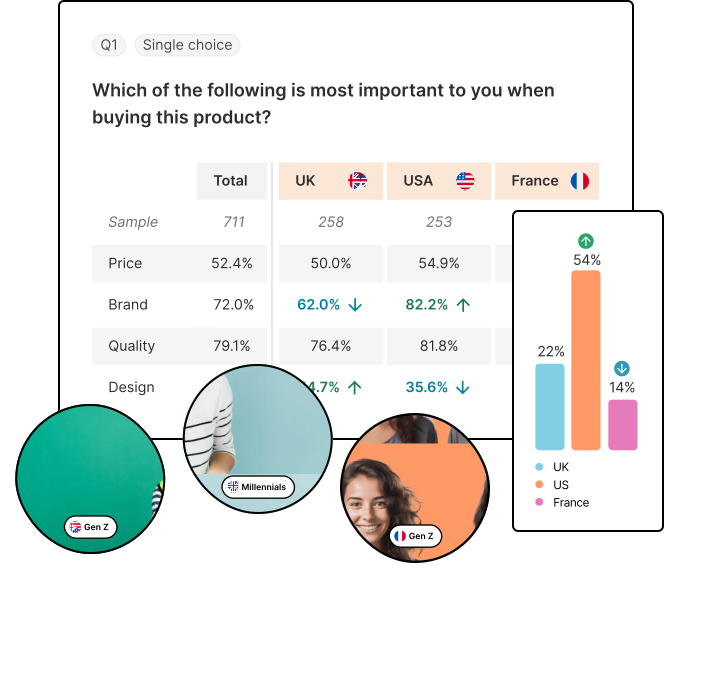
Our powerful survey platform empowers beauty brands to uncover real-time insights into emerging trends and shifting customer preferences.
Want to know if your audience prioritizes clean ingredients or craves personalized skincare solutions?
With Attest, you can directly ask your target consumers, and gather actionable data to refine your product lines and marketing strategies.
Offering insights from [attest_num_markets] countries in 70 languages, Attest ensures your research reflects global consumers.
Whether you’re exploring sustainable products, testing new product concepts, or evaluating inclusivity campaigns, our customizable surveys and plug-and-play templates make it simple.
Best of all, you’ll benefit from expert support at no extra cost, helping you analyze trends and identify opportunities.
Attest is your partner in building a beauty brand that resonates — and thrives — in 2026 and beyond.
The future of beauty belongs to brands that evolve with their consumers
The beauty industry is evolving, and the brands that thrive are the ones embracing change.
From sustainability and clean ingredients to hyper-personalized skincare, AI-driven technology, and inclusive marketing, these trends are redefining how consumers engage with beauty products.
They’re not just fads — they’re consumer-driven movements shaping the future of beauty.
Adopt sustainable practices, highlight your commitment to transparency, and use AI to deliver personalized experiences. Showcase diversity in your marketing and tap into tech innovations like virtual try-ons to elevate the shopping experience.
By aligning your strategies with these ongoing trends, your brand can build stronger connections, increase loyalty, and stand out in a fast-moving beauty market.
The time to act is now — become a leader in shaping the future of beauty and keep your business at the cutting edge of innovation.
Frequently asked questions
1. What’s driving beauty industry trends in 2026?
Consumer values around sustainability, inclusivity, and personalization are shaping the market. Gen Z in particular expects ethical sourcing, clean ingredients, and AI-powered experiences that reflect their individuality.
2. How is technology influencing the beauty industry?
AI and AR tools are transforming how people discover, test, and buy products — from virtual try-ons to hyper-personalized skincare powered by real-time data.
3. Why should beauty brands track consumer trends regularly?
Trends evolve quickly. Continuous market research with tools like Attest helps brands to anticipate shifts early, validate product ideas, and stay aligned with changing consumer expectations — not react after competitors do.